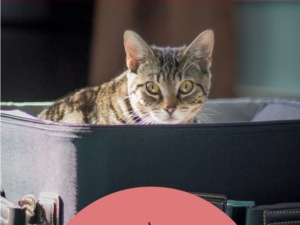
9 Signs Your Cat May Be Depressed (Vet-Reviewed)
Just like humans, cats can experience emotional lows. But feline depression often goes unnoticed because signs are subtle. Understanding the signs of cat depression can help you act early to improve your pet’s well-being.
Here are 9 vet-reviewed signs that may indicate your cat is feeling down.
1. Loss of Appetite
A sudden disinterest in food is a red flag. Cats that stop eating for more than 24 hours should be evaluated immediately.
2. Hiding More Than Usual
All cats enjoy some solitude, but excessive hiding—especially in unusual spots—can be a sign of emotional distress.
3. Lack of Grooming
Healthy cats groom often. If your cat’s coat appears greasy, matted, or dirty, it may be due to depression or an underlying health issue.
4. Sleeping More Than Normal
Cats sleep a lot, but increased sleep with little interest in play or affection can indicate a mood shift.
5. Aggression or Irritability
Sudden aggressive behavior, such as biting or hissing, may be a response to stress or sadness—especially in previously calm cats.

6. Change in Vocalization
A quiet cat becoming unusually vocal—or vice versa—can be trying to tell you something’s wrong emotionally.
7. Litter Box Avoidance
Inappropriate urination or defecation outside the litter box can be a behavioral symptom of depression—once medical causes are ruled out.
8. Loss of Interest in Play or Socializing
A once-playful cat that ignores toys or no longer greets you may be feeling mentally unwell.
9. Clinginess or Unusual Attachment
Some cats may show the opposite of withdrawal and instead become excessively needy, a sign they are emotionally distressed.
What to Do If You Suspect Depression
If your cat shows any of these signs for more than a few days:
-
Visit your veterinarian to rule out medical causes.
-
Enrich your cat’s environment with toys, vertical spaces, and interaction.
-
Consider calming aids or pheromone diffusers.
-
Spend quality time bonding.
🔗 Reference Link: Doggeto

Để lại một bình luận